Revolutionize Your Breakfast with Easy No-Knead English Muffin Bread
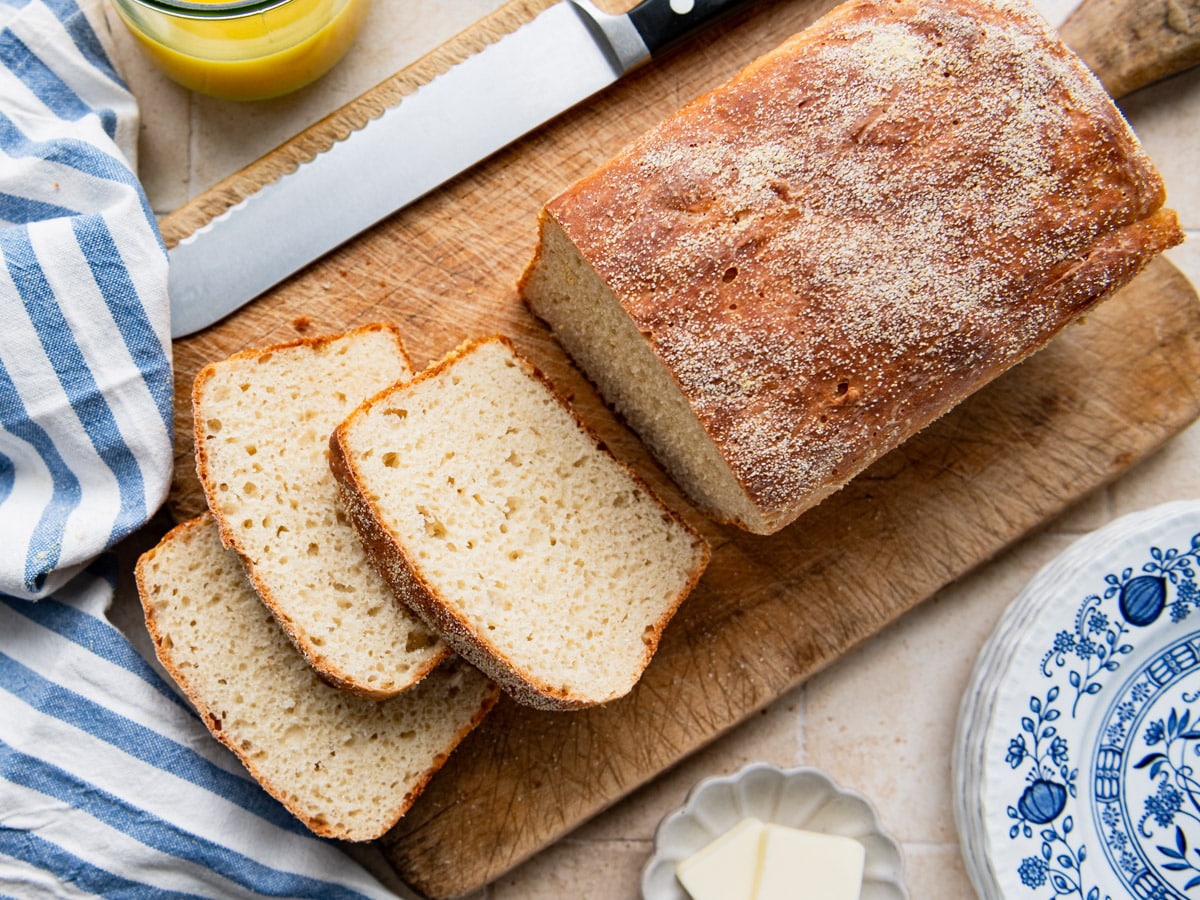
Imagine the quintessential English muffin experience—those perfectly toasted halves, brimming with irregular, airy pockets ready to cradle melting butter and sweet jam—now envisioned in a convenient, sliceable loaf. Welcome to the world of easy no-knead English muffin bread! This innovative recipe captures everything you adore about the classic English muffin and bakes it into a golden, craggy-crusted loaf that's astonishingly simple to make. Forget the tedious kneading; this bread promises extraordinary texture and flavor with minimal effort, making it a game-changer for home bakers and breakfast lovers alike.
From its distinctively chewy crumb to its generous scattering of nooks and crannies, every slice of homemade English muffin bread is a testament to culinary ingenuity. It’s a beautifully golden-brown masterpiece, often adorned with a sprinkle of cornmeal that adds a subtle crunch and authentic touch, elevating the flavor profile to new heights. Whether you’re a seasoned baker or a kitchen novice, preparing this unique loaf is a delightful journey that culminates in a bread so delicious, it often becomes an instant family favorite.
Why You’ll Fall in Love with This No-Knead English Muffin Bread
There are countless reasons why this particular English muffin bread recipe has garnered such immense popularity. It’s more than just a convenience; it’s a revelation for anyone seeking that perfect balance of ease, flavor, and versatility in their bread-making endeavors. Here are some compelling reasons why this loaf is destined to become a staple in your kitchen:
- Effortless Preparation: The Magic of No-Knead
The very phrase "no-knead" is music to any baker's ears. This recipe truly lives up to its promise, requiring little more than a good stir. Using simple pantry staples like all-purpose flour, instant yeast, salt, and a touch of baking soda, you combine everything in a large bowl, let the dough rise, and it’s ready for the oven. No wrestling with sticky dough, no intensive hand-kneading, and no special equipment beyond a bowl and a loaf pan. It’s a testament to how fantastic homemade bread can be, even without the fuss. - Unbeatable Texture and Flavor: A Sensory Delight
The hallmark of exceptional English muffin bread lies in its unique texture. It strikes an incredible balance, managing to be both light and airy, yet wonderfully dense and chewy. Each slice boasts a beautiful golden-brown crust and, most importantly, those coveted irregular air pockets—the "nooks and crannies"—that are perfect for absorbing butter, jam, or any spread you desire. The subtle addition of cornmeal on the bottom and sides provides a delightful, characteristic crunch that mimics traditional English muffins, making every bite a truly satisfying experience. - A Versatile Culinary Canvas: Beyond Breakfast
While it excels as a breakfast superstar, toasted and slathered with honey butter or your favorite fruit preserves, the versatility of this English muffin bread extends far beyond the morning meal. Its sturdy yet porous structure makes it an ideal candidate for savory sandwiches, from classic egg and cheese combinations to gourmet deli creations. You can even cube it for homemade croutons or use it as the base for a savory bread pudding. - Freezer-Friendly for Future Enjoyment: Bake Once, Enjoy Often
One of the most practical benefits of this English muffin bread recipe is its exceptional freezer-friendliness. Thanks to its robust yet airy texture, slices freeze beautifully without losing their structural integrity or delicious flavor. This makes it an ideal candidate for batch baking. Simply slice the cooled loaf, separate individual portions with parchment paper, and freeze. When a craving strikes, just pop a frozen slice directly into the toaster, and you'll have a perfectly warmed, "freshly" baked treat in minutes. For more tips on storing and enjoying this delicious loaf, check out Your Guide to English Muffin Bread: Delicious, Freezer-Friendly Loaf.
The Secret Behind Those Perfect Nooks and Crannies
The magic of an English muffin, and by extension, English muffin bread, lies in its distinctive internal structure: a landscape of varied air pockets that are both inviting and incredibly functional for holding spreads. This unique texture isn't just arbitrary; it's a deliberate outcome of specific recipe components and techniques, primarily centered around a high hydration level in the dough.
Understanding High Hydration Dough
In baking, "hydration" refers to the ratio of water (or other liquids) to flour in a dough. This English muffin bread recipe typically features a very high hydration level—often upwards of 80%. This means there's significantly more liquid than flour by weight. While this results in a very sticky, almost batter-like dough that might initially feel unfamiliar, it is absolutely crucial for achieving that signature open, airy crumb. The abundant moisture allows for greater steam production during baking, which in turn creates larger, more irregular air pockets that define the nooks and crannies we all love. For an even deeper dive into this fascinating aspect of the bread, be sure to read Unlock the Secret: English Muffin Bread's Airy, Dense Nooks & Crannies.
The Role of Yeast and Baking Soda
Beyond hydration, the interplay of leavening agents is key. Instant yeast does the primary work of creating carbon dioxide gas, causing the dough to rise and developing the initial structure. However, a small but mighty addition of baking soda plays a critical supporting role. While yeast provides the bulk of the lift, baking soda contributes to the specific cellular structure, enhancing the characteristic English muffin texture and aiding in the delightful browning of the crust. Together, these elements collaborate to produce a loaf that is wonderfully dense yet remarkably light, dotted with those irresistible pockets.
Key Ingredients for Your English Muffin Bread Success
Crafting the perfect loaf of English muffin bread relies on a carefully selected combination of common ingredients, each playing a vital role in achieving that coveted texture and flavor. Understanding their functions will not only demystify the baking process but also empower you to troubleshoot or even adapt recipes in the future.
- All-Purpose Flour: The Structural Backbone
As the primary ingredient, all-purpose flour provides the necessary structure for your bread. Its protein content develops gluten, which forms the network that traps gases and gives the bread its shape and chewiness. Tip: For accurate measurements, always spoon flour lightly into your measuring cup and level it off, rather than scooping directly, which can compact the flour and lead to a denser bread. - Instant Yeast: The Breath of Life
This powerful leavening agent is indispensable. Instant yeast activates quickly and doesn't require proofing beforehand, making it ideal for no-knead recipes. It consumes sugars in the dough and produces carbon dioxide, which creates the air pockets responsible for the bread's fluffy, airy texture and helps it rise beautifully. - Granulated Sugar: Fuel for Fermentation and Flavor
Sugar isn't just for sweetness here. It primarily acts as food for the yeast, helping it to activate and multiply efficiently, ensuring a robust rise. Additionally, sugar contributes to the golden-brown color of the crust and subtly enhances the overall flavor profile of the bread. - Salt: The Flavor Enhancer and Regulator
A crucial ingredient often underestimated, salt significantly enhances the flavor of the bread, preventing it from tasting bland. More scientifically, it helps to control yeast activity, ensuring the dough doesn't rise too rapidly and allows for a more controlled fermentation, which develops better flavor and texture. - Baking Soda: The Texture Maestro
A small amount of baking soda makes a significant difference in achieving the distinct English muffin texture. It reacts with acidic ingredients (even subtle ones in flour or milk) to produce additional gas bubbles, contributing to those desirable irregular nooks and crannies. It also aids in the browning of the crust. - Milk: Richness and Enhanced Browning
Milk adds a wonderful richness and depth of flavor to the bread that water alone cannot provide. The sugars and proteins in milk also contribute to a beautifully golden, tender crust, and a softer crumb. - Water: Hydration and Yeast Activation
Used in conjunction with milk, water is essential for hydrating the flour, which allows gluten to develop. It also helps activate the yeast and facilitates the overall consistency of the high-hydration dough. Tip: Ensure your liquids are lukewarm (around 105-115°F / 40-46°C) to optimally activate the yeast without killing it. - Cornmeal: The Signature Crunch and Non-Stick Factor
Sprinkled liberally on the bottom and sides of the loaf pan, cornmeal serves multiple purposes. It imparts that iconic, slightly gritty texture and unique crunch reminiscent of traditional English muffins. Furthermore, it acts as a natural non-stick barrier, preventing the dough from adhering to the pan and ensuring easy removal of your perfectly baked loaf.
Mastering Your No-Knead English Muffin Bread: Tips for Perfection
While this English muffin bread recipe is remarkably forgiving, a few expert tips can elevate your baking experience and guarantee consistently perfect results every time. Follow these pointers to achieve a loaf with an enviable crust and those irresistible nooks and crannies.
- Don't Fear the Sticky Dough: Embrace High Hydration
As mentioned, this dough will be very wet and sticky—more like a thick batter than a traditional bread dough. Do not be tempted to add more flour than the recipe calls for, as this will result in a dry, dense loaf without the signature open texture. Trust the process; the stickiness is essential for the nooks and crannies. - The Art of the Rise: Patience is a Virtue
Allow ample time for your dough to rise in a warm, draft-free environment. This slow fermentation is crucial for flavor development and for the yeast to create all those wonderful air pockets. Depending on your room temperature, this could take anywhere from 1 to 2 hours for the first rise until the dough has noticeably expanded. - Preheating Your Loaf Pan: A Baker's Secret
For an extra crispy crust and to help the dough achieve a quick initial rise (oven spring), consider lightly greasing and cornmealing your loaf pan, then placing it in the oven during the last 15-20 minutes of preheating. Carefully add the dough to the hot pan when ready to bake. This mimics the griddle effect for English muffins and contributes to the bread's unique texture. - Cool Completely Before Slicing: The Ultimate Test of Patience
It can be incredibly tempting to slice into a warm loaf of bread, but for English muffin bread, cooling completely is paramount. As the bread cools, its internal structure sets, and the moisture redistributes, resulting in the best possible texture and crumb. Slicing too early can lead to a gummy texture and a collapsed structure. - Optimal Toasting: Unlock the Full Experience
While delicious fresh, this bread truly shines when toasted. The heat crisps up the crust, further enhances the flavor, and makes those nooks and crannies even more receptive to butter, jam, or savory toppings. Don't be shy with your toaster!
Conclusion
The easy no-knead English muffin bread is more than just a recipe; it's an invitation to rediscover the joy of homemade bread with unprecedented ease. Capturing the beloved qualities of a classic English muffin in a convenient loaf, this bread delivers on texture, flavor, and versatility. With its light, airy crumb, deep nooks and crannies, and delightful cornmeal crunch, it’s destined to become a staple in your kitchen. So, gather your simple ingredients, embrace the no-knead magic, and prepare to delight your family and friends with a loaf that’s perfect for every meal, every day.
