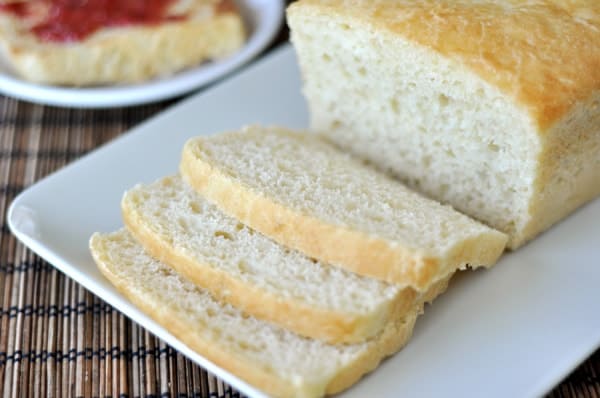
Your Guide to English Muffin Bread: Delicious, Freezer-Friendly Loaf
Imagine biting into a perfectly toasted English muffin – that signature crunch, the soft, chewy interior, and those irresistible nooks and crannies eagerly soaking up melted butter and sweet jam. What if you could capture all that magic, but in a convenient, easy-to-slice loaf? Welcome to the wonderful world of english muffin bread, a baking marvel that brings everything you adore about classic English muffins right to your breakfast table, without the fuss of individual shaping or a griddle.
This ingenious no-knead bread recipe delivers a loaf that's simultaneously light and airy, yet wonderfully dense, boasting the exact texture that makes English muffins so beloved. It's a truly homemade bread experience that tastes incredibly gourmet but is surprisingly simple to achieve, making it an instant family favorite. With its golden-brown crust and a subtle cornmeal crunch, this bread is not just delicious; it's an experience that elevates any meal, from a quick breakfast to a leisurely brunch.
Why English Muffin Bread is Your Next Baking Obsession
For those who cherish the unique characteristics of English muffins, discovering english muffin bread is like finding a hidden treasure. It offers all the charm with added convenience, making it a standout in your repertoire of homemade breads. But what truly makes this loaf a must-try?
- Effortless Preparation: The Magic of No-Knead
Forget the arduous task of kneading dough for endless minutes. This recipe for english muffin bread comes together with astounding ease. You'll simply stir together common pantry staples like all-purpose flour, instant yeast, a touch of sugar, salt, and baking soda, then let the dough do its thing. The beauty of a no-knead recipe lies in its simplicity – minimal fuss, maximum flavor. It's an ideal choice for busy mornings or for bakers who prefer a hands-off approach without compromising on quality. - Unrivaled Texture: Nooks, Crannies, and That Perfect Chew
The hallmark of great english muffin bread is its unique texture. It manages to be both delightfully airy and satisfyingly dense, creating a multitude of those coveted nooks and crannies that are perfect for catching melting pools of butter, honey, or your favorite jam. The exterior bakes to a beautiful golden-brown, often enhanced by a sprinkle of cornmeal, which adds a delicate crunch that complements the soft interior. This specific texture is what sets it apart from other quick breads, offering an almost addictive mouthfeel. - A Guaranteed Family Favorite
There's something universally appealing about a warm, toasted slice of this bread. Its inviting aroma and comforting flavor make it a hit with everyone, from the pickiest eaters to the most discerning foodies. Serve it simply with butter, or elevate it into epic breakfast sandwiches with eggs and cheese – it's incredibly versatile and always a crowd-pleaser. - The Ultimate Freezer-Friendly Loaf
One of the most practical benefits of english muffin bread is its exceptional freezer-friendliness. Thanks to its robust yet airy structure, this bread freezes beautifully without losing its distinctive texture or flavor. This means you can bake a batch (or two!) and store slices for future toasting, ensuring you always have a delicious, homemade option on hand. It’s perfect for meal prepping and makes spontaneous breakfast decisions a breeze.
The Simple Science Behind Perfect English Muffin Bread: Key Ingredients & Their Roles
While the process for making english muffin bread is incredibly simple, each ingredient plays a crucial role in achieving its signature taste and texture. Understanding these roles can help you appreciate the alchemy of this delicious loaf.
- All-Purpose Flour: The Structural Backbone
As with most breads, all-purpose flour provides the primary structure. Its protein content helps form the gluten network that gives the bread its firmness and chewy consistency, while still allowing for that desirable airiness. - Dry Yeast: The Leavening Powerhouse
This essential ingredient is responsible for the bread's rise and its fluffy, airy interior. When activated, yeast produces carbon dioxide, creating the bubbles that form the bread's internal structure and those beloved nooks and crannies. - Granulated Sugar: Fuel for Flavor and Fermentation
Beyond adding a subtle sweetness, sugar acts as food for the yeast, helping it to activate and multiply efficiently, which in turn ensures a robust rise. It also contributes to the bread's browning during baking. - Salt: Flavor Enhancer and Yeast Regulator
Salt is vital for enhancing the overall flavor of the bread, bringing out its nuances. Crucially, it also helps control the yeast activity, preventing the dough from rising too rapidly and ensuring a balanced fermentation process. - Baking Soda: The Texture Accelerator
A small amount of baking soda contributes to the unique texture of english muffin bread. It aids in browning and helps create those characteristic voids and irregular crumb structure, further mimicking a classic English muffin. - Milk & Water: Hydration and Richness
The combination of milk and water is key for hydrating the flour and activating the yeast. Milk adds a rich flavor and contributes to a softer crumb and a beautifully browned crust, while water ensures the dough reaches the ideal high hydration level necessary for those distinctive nooks and crannies, as highlighted by many expert bakers. - Cornmeal: The Signature Crunch
Sprinkled on the bottom of the pan and sometimes over the top, cornmeal provides that iconic, slightly gritty texture and subtle crunch that is synonymous with English muffins. It also helps prevent sticking and adds to the bread's visual appeal.
Mastering Your Loaf: Tips for English Muffin Bread Success
Creating your perfect loaf of english muffin bread is an incredibly rewarding experience, and with a few simple tips, you can ensure success every time. The "no-knead" aspect truly simplifies the process, but paying attention to a few details can elevate your results.
Embrace the Stickiness: The Key to Nooks and Crannies
Unlike traditional bread doughs, english muffin bread dough is deliberately high in hydration, meaning it's quite wet and sticky. Do not be tempted to add extra flour! This high hydration level is precisely what creates the incredibly airy texture and the multitude of nooks and crannies that are essential to its English muffin identity. When handling, lightly flour your hands or use a wet spatula to guide the dough into the pan. If you're keen to unlock the secret to English muffin bread's airy, dense nooks & crannies, remember that high hydration is your best friend!
Achieving the Perfect Rise
Yeast thrives in warm environments. Ensure your milk and water are lukewarm (around 105-115°F or 40-46°C) to properly activate the yeast. A warm spot for rising, free from drafts, will encourage optimal fermentation. Don't rush the rise; allowing the dough to double in size typically takes 45-60 minutes, but this can vary based on your room temperature and yeast activity. A good rise is crucial for that light, airy texture.
Baking to Golden Perfection
Preheat your oven thoroughly to the recommended temperature. A properly preheated oven ensures even baking and a beautiful crust. Bake until the loaf is deeply golden brown and sounds hollow when tapped on the bottom. An internal temperature of 200-210°F (93-99°C) is a good indicator of doneness. Once baked, allow the bread to cool completely on a wire rack before slicing. This allows the internal structure to set, preventing a gummy texture.
Serving Suggestions Beyond Butter
While toasted with butter and jam is classic, the versatility of english muffin bread is remarkable. Experiment with honey butter, cream cheese, or even savory toppings. It makes an incredible base for breakfast sandwiches – think bacon, egg, and cheese – or even a unique open-faced grilled cheese. Its sturdy yet porous structure holds up beautifully to various toppings.
Preserve the Goodness: Freezing and Storing English Muffin Bread
One of the most appealing aspects of homemade english muffin bread is its exceptional freezer-friendliness. This quality makes it perfect for batch baking, ensuring you always have a delicious, ready-to-toast option on hand for those busy mornings or unexpected cravings.
Why It Freezes So Well
The unique dense yet airy texture of english muffin bread is precisely why it stands up so wonderfully to freezing. Unlike some delicate breads that can become dry or crumbly after freezing and thawing, this bread maintains its integrity, texture, and flavor beautifully. It's truly a quick bread recipe designed for convenience.
The Best Way to Freeze Your Loaf
To maximize freshness and prevent freezer burn, proper freezing techniques are key:
- Cool Completely: Before wrapping, ensure your loaf is entirely cool. Any residual warmth will create condensation, leading to ice crystals and potential sogginess.
- Slice or Whole: You can freeze the entire loaf, or, for ultimate convenience, slice it first. Freezing in individual slices means you can pop a single piece straight into the toaster without thawing the whole loaf.
- Wrap Thoroughly: For whole loaves, wrap tightly in plastic wrap, then a layer of aluminum foil, and finally place it in a freezer-safe bag. For slices, stack them with parchment paper in between (to prevent sticking) before placing them in a freezer bag or airtight container.
- Label and Date: Always label your frozen bread with the date to keep track of its freshness. It typically lasts well for up to 2-3 months in the freezer.
Thawing and Reheating for Optimal Enjoyment
The beauty of frozen english muffin bread is its instant gratification. If frozen in slices, simply take a slice directly from the freezer and pop it into your toaster or toaster oven. It will toast beautifully, often tasting just as fresh as the day it was baked. For a whole loaf, you can either thaw it overnight in the refrigerator or on the countertop, then slice and toast as desired. This straightforward process makes it an incredibly versatile addition to your bread recipes, especially when considering an easy no-knead english muffin bread loaf with perfect nooks.
Conclusion
English muffin bread is more than just a recipe; it's a revelation for anyone who loves the distinct pleasure of a classic English muffin but desires the simplicity and convenience of a loaf. Its no-knead method makes it accessible to even novice bakers, while its unique airy, dense texture and delectable nooks and crannies provide an irresistible canvas for all your favorite toppings. Coupled with its incredible freezer-friendly nature, this bread is a true kitchen MVP, promising delicious breakfasts and snacks with minimal effort. So, roll up your sleeves, gather your simple ingredients, and prepare to bake a loaf that will undoubtedly become a cherished staple in your home.
