Unlock the Secret: English Muffin Bread's Airy, Dense Nooks & Crannies
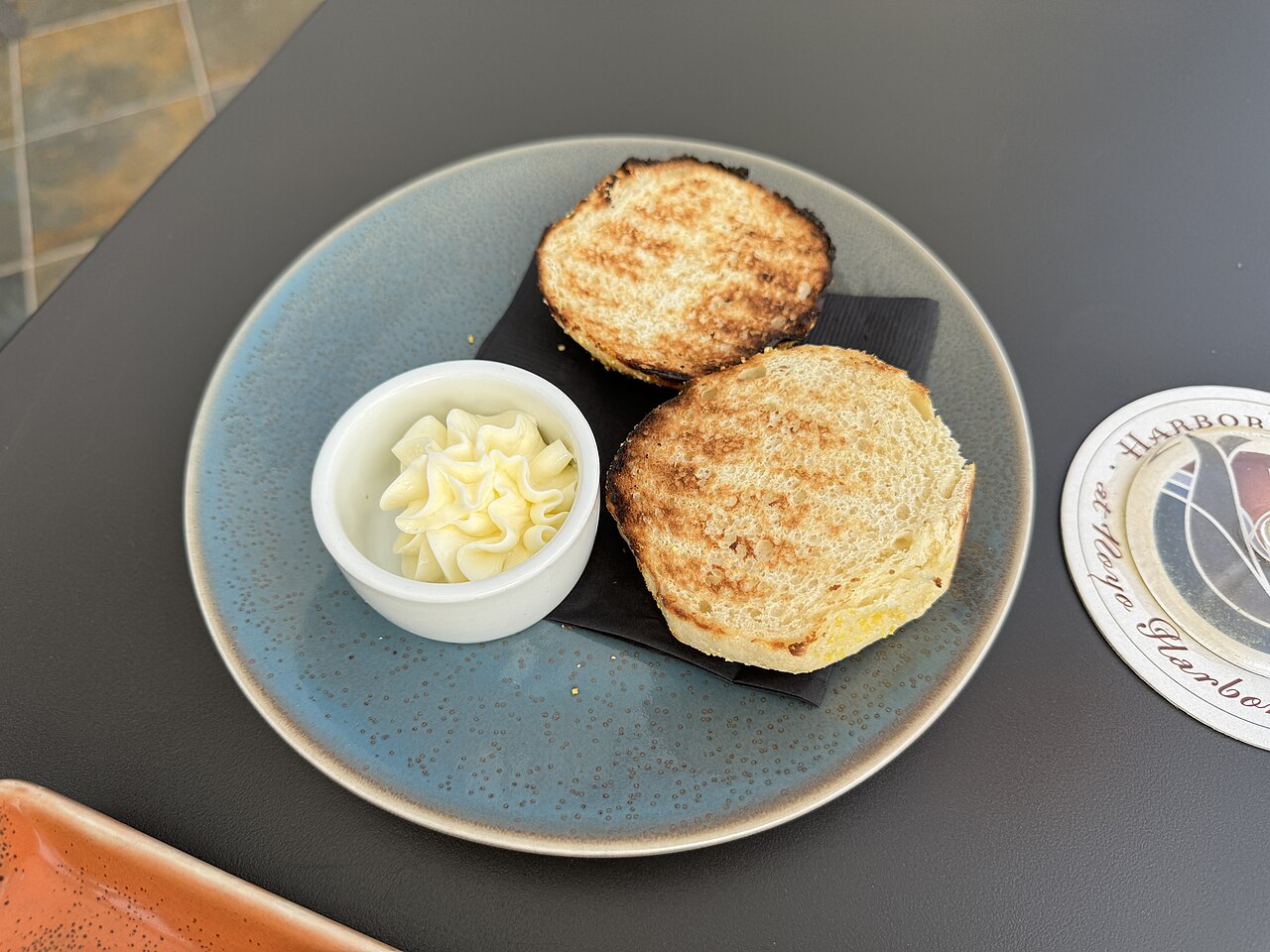
Imagine the perfect breakfast experience: a golden-brown slice, fresh from the toaster, its unique surface brimming with tiny pockets ready to capture every drop of melting butter and sweet jam. This isn't just any bread; it's the magical world of english muffin bread, a culinary revelation that brings everything you adore about classic English muffins into a convenient, no-fuss loaf. With its signature airy, dense texture and irresistible nooks and crannies, it’s no wonder this homemade bread has become a family favorite.
For those who cherish the distinct chew and craggy surface of an English muffin but yearn for the simplicity of a baked loaf, english muffin bread offers the best of both worlds. It delivers a wonderfully satisfying crunch, thanks to a sprinkle of cornmeal, and a tender, moist interior that practically begs for your favorite toppings. Whether you're a seasoned baker or new to the kitchen, this approachable recipe promises a delicious reward that will elevate your breakfast, brunch, or snack time to extraordinary new heights.
What Makes English Muffin Bread So Irresistible?
The allure of english muffin bread lies in its extraordinary texture and comforting flavor profile. It masterfully balances two seemingly contradictory qualities: an airy lightness combined with a satisfying density. This unique characteristic is what creates those much-loved "nooks and crannies" – tiny, irregular air pockets that are the hallmark of a truly great English muffin.
When you toast a slice, these nooks transform into miniature reservoirs, perfectly designed to hold melting pools of butter, honey, or your favorite fruit preserves. Each bite offers a delightful interplay of textures: the crisp, golden crust, often enhanced by a delicate cornmeal crunch, giving way to a soft, chewy interior. The subtle sweetness and wholesome flavor of the bread itself provide the ideal canvas for a variety of accompaniments, making it a versatile staple in any kitchen.
Beyond its textural marvels, the aroma of freshly baked english muffin bread filling your home is an experience in itself. It evokes warmth, comfort, and the promise of a delicious start to the day. It’s a nostalgic taste that reminds many of childhood breakfasts, yet it feels entirely new and exciting in its convenient loaf form. It’s no surprise that once you taste homemade english muffin bread, it quickly earns a permanent spot on your go-to recipe list.
The Magic Behind the Loaf: Why This Recipe Works So Well
One of the most appealing aspects of making english muffin bread is its surprising simplicity. Unlike traditional bread recipes that demand extensive kneading and meticulous handling, this ingenious loaf is a "no-knead" wonder. This means you can achieve professional-bakery quality results with minimal effort, making it accessible even for novice bakers.
The secret to its ease and unique texture lies in a few key principles and ingredients:
- The No-Knead Revolution: The absence of kneading doesn't mean a lack of gluten development. Instead, a higher hydration level and a longer, slow rise (often at room temperature or in the refrigerator) allow the gluten to naturally relax and develop strength over time. This hands-off approach contributes to the bread's airy structure without requiring any strenuous effort from the baker.
- High Hydration: A critical factor in achieving those coveted nooks and crannies is the dough's high hydration level. This means the dough contains a relatively large amount of water (and milk) compared to flour. This wet, almost batter-like dough promotes the formation of large, irregular air pockets during fermentation and baking, replicating the signature texture of classic English muffins.
- Key Ingredients for Success:
- All-Purpose Flour: The primary building block, providing the necessary structure for the loaf.
- Instant Dry Yeast: The powerhouse behind the rise, converting sugars into carbon dioxide to create air bubbles and contribute to the bread's fluffy, open crumb.
- Sugar: Not just for a hint of sweetness, sugar also acts as food for the yeast, aiding in its activation and ensuring a robust rise. It also contributes to the beautiful browning of the crust.
- Salt: Essential for enhancing flavor and, crucially, for controlling yeast activity. It prevents the dough from rising too quickly and helps strengthen the gluten network.
- Baking Soda: A small amount plays a significant role in fostering the distinct English muffin texture and aiding in the development of a golden-brown crust.
- Milk & Water: These liquids hydrate the flour, activate the yeast, and add richness and flavor. Milk, in particular, contributes to a softer crumb and a richer crust color.
- Cornmeal: Sprinkled generously on the pan and often over the top, cornmeal prevents sticking and imparts that characteristic coarse texture and subtle crunch, elevating the bread's overall appeal.
By simply stirring these ingredients together in a large bowl, allowing the dough to rise patiently, and then baking, you unleash a culinary magic that results in an incredibly satisfying loaf. It's truly one of the easiest homemade bread recipes you'll ever try, right alongside my Easy No-Knead English Muffin Bread: Loaf with Perfect Nooks guide.
Your Guide to Mastering English Muffin Bread at Home
Crafting your own batch of english muffin bread is a rewarding experience, and with a few simple tips, you can ensure a perfect loaf every time:
- Ingredient Temperature Matters: Ensure your liquids (milk and water) are warm, but not hot – typically between 105-115°F (40-46°C). This optimal temperature activates the yeast without killing it.
- Don't Skimp on the Rise: Patience is key for this no-knead dough. Allow it ample time to rise in a warm, draft-free place until it has significantly increased in volume, typically doubling. This slow fermentation is crucial for flavor development and those beautiful nooks.
- Generous Cornmeal Dusting: Don't be shy with the cornmeal! A good layer on your loaf pan not only prevents sticking but also creates that signature crunchy exterior. Some bakers even lightly dust the top of the dough before baking.
- Proper Baking: Bake until the crust is a deep golden-brown and the internal temperature reaches around 200-210°F (93-99°C). A quick way to check doneness is to tap the bottom of the loaf; it should sound hollow.
- Cool Completely: Resist the urge to slice into your warm bread immediately. Allowing it to cool completely on a wire rack firms up the crumb and makes for cleaner slices and better texture.
Once baked and cooled, your english muffin bread is ready for its moment in the spotlight. Toasting a slice is highly recommended to bring out its best qualities, making the exterior wonderfully crisp and the interior tender. Serve it simply with butter, a dollop of your favorite jam or preserves, honey butter, or even a smear of cream cheese. Its delightful texture makes it a truly special treat for any meal.
Beyond Breakfast: Versatile Uses for Your English Muffin Loaf
While english muffin bread is a breakfast superstar, its versatility extends far beyond the morning meal. Thanks to its robust structure and unique texture, it's an excellent candidate for a variety of culinary applications:
- Sandwich King: The sturdy yet airy slices are perfect for sandwiches. Imagine a toasted slice serving as the base for an incredible egg and cheese sandwich, or even a sophisticated open-faced melt with ham and Swiss. Its ability to hold up to fillings without getting soggy makes it a fantastic alternative to traditional sandwich bread.
- Savory Spreads: Beyond butter, consider topping a toasted slice with mashed avocado and everything bagel seasoning, or a savory ricotta spread with herbs. It makes for an elegant appetizer or a light lunch.
- Garlic Bread Reinvented: Slice the loaf, spread with garlic butter, and toast until golden. The nooks and crannies will absorb all that delicious garlicky goodness, creating a profoundly flavorful side dish.
- Homemade Croutons: Cut day-old bread into cubes, toss with olive oil and your favorite seasonings, then bake until crisp. These make phenomenal additions to salads and soups.
- French Toast Fantasy: The dense yet airy crumb of english muffin bread makes it an exceptional choice for French toast. It soaks up the custard beautifully without becoming mushy, yielding a rich, flavorful, and wonderfully textured breakfast treat.
One of its most practical advantages is its freezer-friendly nature. English muffin bread freezes exceptionally well without losing its texture or flavor. Slice the cooled loaf, then freeze individual slices in an airtight bag or container. This allows you to pull out a single slice and toast it directly from frozen whenever the craving strikes, making it a perfect quick bread recipe to bake in large batches and store for future enjoyment. Discover more about its longevity and storage in Your Guide to English Muffin Bread: Delicious, Freezer-Friendly Loaf.
This remarkable bread proves that exceptional flavor and texture don't have to come with complicated instructions. Its ease of preparation, combined with its delicious taste and incredible versatility, makes english muffin bread a staple that you'll return to again and again.
Conclusion
From its inviting golden crust to its celebrated airy, dense nooks and crannies, english muffin bread truly is a masterpiece of home baking. It captures the beloved essence of classic English muffins in a convenient, no-knead loaf that simplifies the baking process without compromising on flavor or texture. Whether slathered with butter and jam for a classic breakfast, transformed into a hearty sandwich, or enjoyed in countless other ways, this versatile bread consistently delivers a delightful culinary experience. Easy to make, incredibly delicious, and wonderfully freezer-friendly, it’s time to unlock the secret to this extraordinary loaf and make it a cherished addition to your recipe collection.
